How to Interrogate a Fabrication Estimate Before It Becomes a Variation
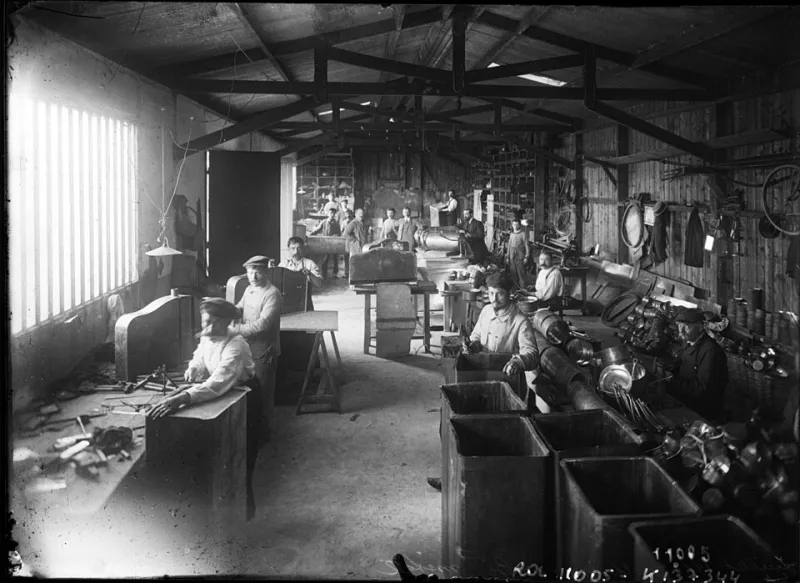
Photo: fabrication workshop engineer reviewing technical drawings and cost estimate UK, via images.gamebanana.com
The estimate is a risk document, not a price tag
In UK fabrication procurement, the cheapest returned estimate is rarely the cheapest executed package. A low total can reflect a narrower scope, a more optimistic reading of the drawings, or a set of assumptions that quietly transfer responsibility back to the buyer. The purpose of comparing estimates is therefore not to rank totals on the day of tender return. It is to establish which supplier has understood the work, priced the same obligations and carried the risks they are best placed to manage.
At SSP Engineering, we see this most clearly when a tender pack contains a general arrangement drawing, a performance specification and a programme. Suppliers can price that combination in materially different ways without any of them being dishonest. The differences usually sit in the line items, the exclusions and the qualifications. Those are the parts worth reading first.
Start with the scope narrative, not the bottom line
A credible fabrication estimate should begin with a short description of what the supplier believes they are providing. This narrative should identify the drawings and revisions used, the execution class under EN 1090-2 where structural steelwork is involved, the finish specification, the inspection regime and the delivery boundary. If that narrative is missing, the buyer is left to infer scope from a set of rates and lump sums. That inference is not a sound basis for award.
Compare narratives across tenderers before comparing prices. If one supplier describes fabrication, trial assembly, surface preparation, painting, inspection and delivery to site, while another describes fabrication and collection ex works, the totals are not comparable. The second may still be competitive, but it is a different offer. The buyer must add the missing transport, unloading, site handling and documentation costs before drawing conclusions.
Assumptions are priced risk
Every estimate contains assumptions. The useful ones are stated explicitly. Common examples include assumed drawing maturity, access to a single agreed delivery point, standard working hours, no requirement for temporary works, and material availability at the time of order. These are not administrative footnotes; each carries a cost consequence if it proves untrue.
A supplier who assumes that all drawings will be issued for construction before material order is protecting themselves against late design development. A supplier who assumes site access during normal hours is protecting themselves against overtime. A supplier who assumes no third-party witnessing of non-destructive testing is protecting themselves against inspection delays. When these assumptions are visible, the buyer can decide whether to accept the risk, clarify the requirement or ask for a fixed allowance. When they are hidden, the risk remains with the buyer but without a price.
Exclusions and responsibility shifts
The exclusions section deserves the same attention as the pricing schedule. Typical exclusions in UK fabrication estimates include site survey, setting out, foundations, holding-down bolts, electrical works, fire protection, final touch-up after installation, waste removal, and building control or third-party approval. Some of these are legitimate boundaries between packages. Others are scope gaps waiting to become variations.
Look for language that shifts responsibility without stating a price. Phrases such as subject to site dimensions, by others, and to be confirmed on site are not inherently unreasonable, but they need a clear owner. If the buyer is expected to confirm dimensions, who carries the cost of rework if the confirmed dimensions differ from the tender information? If final touch-up is by others, what standard and colour match will be required, and who accepts the risk of a visible repair? These questions are easier to resolve before award than after the first snagging list.
Finish allowances: the invisible variable
Finishing is a frequent source of miscomparison. A line item described simply as painted may conceal a substantial difference between a basic shop primer and a full protective coating system. For galvanised work, confirm whether the estimate includes hot-dip galvanising to BS EN ISO 1461, whether vent and drain holes are included, and whether post-galvanising straightening or repair is allowed for. For painted steelwork, confirm the surface preparation grade, the number of coats, the nominal dry film thickness, the product family and the colour and gloss requirements.
These details matter because finish costs are sensitive to specification. A change from a standard primer to a high-build system, or from a limited colour range to a bespoke shade, can alter both material and labour costs. If the estimate is silent, the buyer should not assume the higher specification is included. A separate finish allowance or a clearly referenced coating specification is a better sign of a considered offer than a single inclusive figure.
Inspection, testing and documentation
Inspection scope is another area where low estimates can look attractive until the quality documentation is required. Confirm whether the price includes dimensional inspection, weld inspection, non-destructive testing, trial assembly, factory acceptance testing, material certificates, welder qualification records and a manufacturing record pack. For structural steelwork, confirm the required execution class and any specific inspection frequency. For pressure or safety-related items, confirm the applicable standards and third-party involvement.
Documentation is not paperwork for its own sake. It is evidence that the fabrication has been produced to the specified standard. A supplier who has priced inspection and records properly is less likely to create delays at handover. A supplier who has excluded them may still be capable, but the buyer should understand where those costs will land.
Programme and capacity
Finally, read the programme. A short quoted lead time can be a genuine strength, or it can be an assumption that material is available, drawings are approved and the workshop has capacity at the required moment. Ask when material would be ordered, when fabrication would start, and what milestones depend on buyer approvals. Check whether the estimate includes attendance at progress meetings, inspection hold points and delivery flexibility.
Programme risk is particularly important in UK industrial projects where site access is often constrained by operating plant, permit systems or weather-sensitive external works. A supplier who has allowed for a single delivery may be efficient, but a supplier who has allowed for phased deliveries may reduce site risk. Neither is automatically right. The point is to make the choice deliberate.
A practical comparison method
Before awarding, build a comparison sheet that lists scope, assumptions, exclusions, finish specification, inspection and documentation, delivery boundary and programme obligations. Price each gap or clarification so that the totals are compared on the same basis. Then ask whether the remaining difference reflects genuine efficiency, a different risk appetite or an omission. A slightly higher estimate with clear responsibilities is often better value than a low estimate that requires constant interpretation.
The commercial lesson is straightforward. A fabrication estimate should be read as an engineering document, because that is what it is. The line items reveal what the supplier has seen, what they have priced and what they expect others to do. Buyers who interrogate those details before order are not being difficult; they are reducing the likelihood that the first variation is also the first surprise.