Stainless, Zinc or Powder? A Whole-Life Guide to Finishing UK Industrial Fabrications
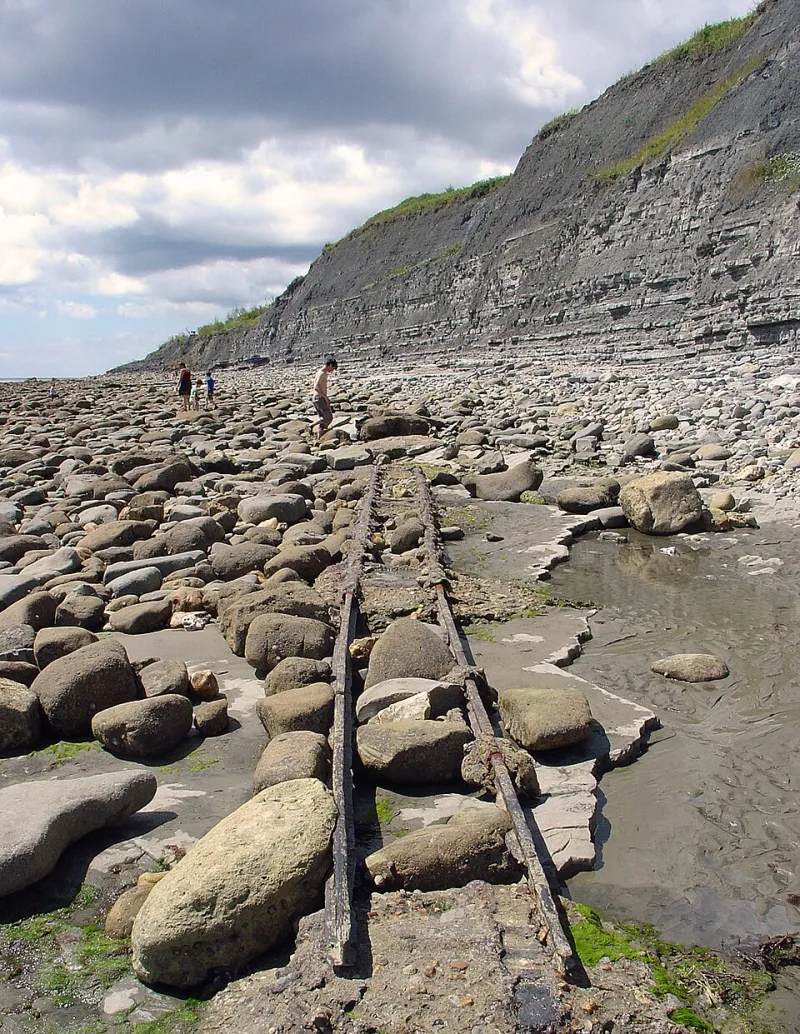
Photo: Dylan Moore , CC BY-SA 2.0, via Wikimedia Commons
The finish should follow the environment, not the fashion
In UK industrial fabrication, material and finish choices are frequently made late in the design process and with insufficient information about the actual service environment. A specification may call for galvanised steel because the project is external, stainless because the area is washdown, or powder coating because the client wants a particular appearance. Each of those instincts can be sound, but none is sufficient on its own. The right question is not which finish is best in general, but which finish is defensible for this exposure, this maintenance regime and this whole-life cost.
UK conditions are more varied than the national weather summary suggests. A coastal process plant, an inland water treatment works, a food production hall and a covered chemical storage building present different corrosion risks. The same fabrication may also have different zones: an external frame exposed to driving rain, a sheltered underside where moisture collects, a welded joint that cannot be inspected easily, and a bolted connection between dissimilar metals. Finish selection should account for those zones rather than assuming one system is uniformly suitable.
Define the environment before choosing the coating
A useful starting point is the corrosivity category of the environment, commonly expressed through ISO 9223 categories from C1 to C5. These categories consider factors such as time of wetness, sulphur dioxide and airborne salinity. A rural inland building may sit in a low category. A coastal site or an area with regular de-icing salt exposure may be much higher. Washdown areas, chemical processing zones and enclosed spaces with condensation can be more aggressive than the open air suggests.
Specifiers should also record the consequences of failure. A cosmetic handrail that dulls is different from a structural support that corrodes behind a sealed lining. A food production area may require cleanability and chemical resistance as much as corrosion resistance. A chemical plant may require resistance to a specific reagent at a specific concentration and temperature. Without those inputs, the finish specification becomes a guess dressed as a standard.
Stainless steel: grade discipline matters
Stainless steel is often treated as a single material, but the difference between grades is commercially and technically significant. Grade 304 offers useful resistance in many indoor and mildly aggressive environments. Grade 316 or 316L adds molybdenum and is generally preferred where chlorides are present, including coastal atmospheres and many washdown situations. The L suffix denotes low carbon, which reduces the risk of sensitisation during welding and is often relevant for fabricated assemblies.
Stainless steel is not maintenance-free. It relies on a passive oxide layer that can be disrupted by chlorides, contamination, poor drainage or inadequate cleaning. Welding can leave heat tint and reduce local corrosion resistance unless the area is cleaned and passivated. Carbon steel tooling, wire brushes or grinding discs can embed iron particles and create rust sites that look like material failure but are actually contamination. Design details matter too: crevices, trapped water and poor ventilation can defeat a perfectly adequate grade.
Weldability is generally good for the common austenitic grades, but fabrication needs discipline. Procedures should account for distortion, heat input and post-weld cleaning. For aggressive chloride environments, the specifier should confirm that the selected grade and surface finish are suitable, and should avoid assuming that stainless is automatically the lowest-maintenance option.
Hot-dip galvanising: robust, but not universal
The principal attraction of hot-dip galvanising is its combination of toughness and whole-life economy. A coating applied to BS EN ISO 1461 provides barrier protection and, in many environments, sacrificial protection at edges and damaged areas. It is well suited to external structural steelwork, access platforms and general industrial frames where appearance is secondary and long maintenance intervals are valuable.
Galvanising also imposes design requirements. Fabrications need vent and drain holes so that molten zinc can enter and air can escape. Sealed hollow sections can be dangerous if not prepared correctly. Distortion can occur in slender or asymmetrical assemblies, and drainage paths should be considered at design stage rather than after fabrication. Welding is generally straightforward for common structural steels, but the steel chemistry and surface condition affect the finished coating. Silicon-killed steels, for example, can produce excessively thick coatings, and the specifier should discuss steel selection with the galvaniser where appearance or fit is sensitive.
Galvanising is not a substitute for a suitable environment assessment. In strongly acidic or certain chemical exposures, zinc can be attacked. In coastal or high-chloride conditions, it may still perform well, but the expected coating life and maintenance plan should be realistic. Duplex systems, where a powder or paint coating is applied over galvanising, can extend life and improve appearance, but they require correct pre-treatment and compatible products.
Powder coating: appearance, chemical resistance and process control
Powder coating offers colour, gloss control and a uniform factory-applied finish. It can be appropriate for equipment enclosures, internal frames, architectural metalwork and items where cleanability or appearance matters. The performance of the coating depends heavily on the substrate preparation, the pre-treatment system, the powder chemistry, the cure schedule and the film thickness. A powder-coated finish is a system, not a single product.
When applied over galvanised steel, powder coating should follow a suitable process such as BS EN 13438, with pre-treatment that promotes adhesion and avoids reactions with the zinc surface. Applying powder directly to poorly prepared galvanising can lead to blistering, poor adhesion or early failure. On mild steel, the surface preparation and primer system are equally important. Edges, welds and areas around fasteners need adequate coverage; powder coating can thin on sharp edges unless the design and coating process account for it.
Powder coating also has limits. It is generally less tolerant of mechanical damage than hot-dip galvanising, and repair can be visible. UV exposure can affect gloss and colour over time depending on the product. Chemical resistance must be checked against the specific substances present, not assumed from a general purpose description. In aggressive environments, a powder coating may be the right appearance solution but the wrong standalone corrosion solution.
Common compatibility mistakes
Several avoidable problems recur in UK fabrication specifications. One is galvanic corrosion where stainless steel fasteners or fittings are used with galvanised or mild steel components in a wet environment without appropriate isolation or drainage. Another is specifying stainless steel weld cleaning with carbon steel abrasives, which contaminates the surface and creates rust sites. A third is applying powder coating over galvanising without the correct pre-treatment or with incompatible products.
Trapped moisture is a related issue. Hollow sections, overlapping plates and unsealed joints can hold water and accelerate attack regardless of the finish. Designers should provide drainage and ventilation, and fabricators should follow the coating supplier's requirements for edges, welds and cavities. Finally, chemical compatibility should be checked for the actual service conditions, including concentration and temperature. A finish that performs well in a general industrial atmosphere may fail quickly in a specific chemical splash zone.
Whole-life cost and defensible decisions
Whole-life cost should include initial material and coating cost, fabrication implications, inspection, maintenance access, downtime, expected service life and the cost of repair. Stainless steel often has a higher initial cost but can be attractive where maintenance is difficult or cleanliness is critical. Galvanising is frequently the lowest whole-life option for external structural steelwork, provided the design details suit the process. Powder coating can be cost-effective where appearance and chemical resistance are required, but only if the pre-treatment and maintenance regime are appropriate.
A defensible specification records the environment, the required service life, the maintenance assumptions and the consequences of failure. It should also identify any areas where a single finish is not appropriate and where a duplex system or a different material may be needed. The objective is not to select the most expensive system, but to select the system whose failure modes are understood and whose maintenance obligations are accepted.
Before fabrication begins, the material and finish decision should be reviewed with the fabricator and, where necessary, the coating supplier. Their input on weldability, drainage, pre-treatment and repair can prevent a specification from becoming an expensive site problem. In UK industrial work, the finish is rarely the most prominent part of the project, but it is often the part that determines how well the asset survives its environment.