Hold Points and Hot Work: Sequencing Intumescent Coatings Around Site Connections
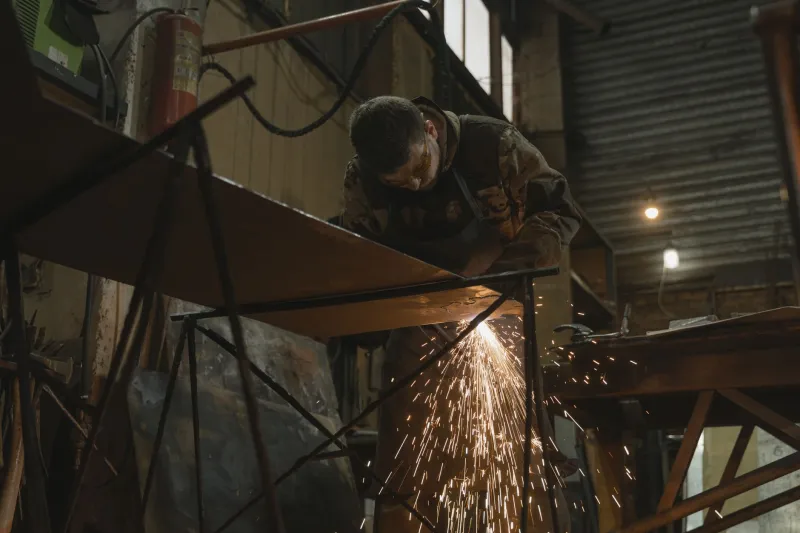
Photo: intumescent coating application steel beam construction site UK, via images.surferseo.art
Intumescent coatings are frequently treated as a finishing activity that can be squeezed into the programme once fabrication is complete. On steelwork with site connections, that assumption is unsafe. The coating is part of the fire protection system, and its performance depends on continuity, thickness and adhesion across the whole protected element. If a site weld later cuts through the coating, or if a painter coats an area that a welder must subsequently heat, the project creates a gap between what was tested and what is installed.
For UK steel projects, the practical answer is not to choose between early coating and late coating. It is to sequence the work around defined hold points, marked weld-free zones and a repair procedure that is agreed before anyone arrives on site.
The coating decision is a sequence decision
Intumescent coatings are tested as systems. Their contribution to a fire resistance period depends on the manufacturer's tested and assessed details, the primer beneath, the topcoat above, the steel section and the dry film thickness achieved. A coating that is complete at the fabrication works but damaged or omitted at a site connection is no longer a complete system.
This matters most where steel is coated before erection. Early coating can reduce work at height, shorten the site programme and improve finish quality under controlled factory conditions. It also introduces a risk: site welds, bolt tightening, temporary attachments and post-erection inspections may all require access to bare steel after the coating has cured.
The project team therefore needs to decide, at tender or early design stage, which connections will be welded on site, which will be bolted, and which areas must remain uncoated until site operations are finished. That decision belongs in the inspection and test plan, not in a late conversation between the painter and the site manager.
Set hold points before the first primer
A coating hold point is a defined stage at which work stops until a named person confirms that the preceding activity is acceptable. On a UK fabrication programme, the following hold points are worth building into the ITP:
- Fabrication completion and dimensional check, including confirmation that all shop welds are finished.
- NDT acceptance for welds that require inspection, with records available before surface preparation.
- Surface preparation and primer approval, including compatibility with the specified intumescent product.
- Intumescent application and dry film thickness check, with readings recorded by area or element.
- Topcoat application, where specified, and final visual inspection.
- Site connection completion, including welding, NDT where required, and bolt tightening.
- Repair and touch-up of coating damaged by site work, followed by final thickness verification.
Each hold point should have a signatory. On a large project that may be the fabricator's quality manager, the principal contractor's inspector or a third-party inspector. The important point is that the hold point is not released by default because the next trade is waiting.
Draw the weld-free zone on the drawing
A weld-free zone is an area around a site connection that is deliberately left uncoated until site welding and inspection are complete. It should be shown on the erection drawing, not left to the painter's judgement. The zone needs to be large enough to accommodate the weld, the heat-affected area, NDT access and any temporary attachment that will be removed later.
The size of the zone should be agreed with the coating manufacturer and the fire engineer where the protection depends on continuity around the connection. Masking tape, temporary sleeves or removable covers can protect adjacent coated areas, but they must not leave adhesive residue or contamination that affects adhesion. If a temporary primer is used on the bare steel, it must be compatible with the intumescent system and approved for the intended exposure period.
A common failure is to coat the whole element and then rely on site personnel to remove coating before welding. That approach is difficult to control, creates unnecessary repair work and often leaves a ring of damaged coating around the connection. Marking the zone before coating is simpler and more auditable.
Separate site welding from coating repair
Where a connection is welded on site, the sequence should be explicit. The weld is completed, inspected and accepted before any intumescent repair begins. If NDT is required, the repair should not close the access route or cover the weld surface. The repair procedure should state how the damaged or uncoated area is prepared, which primer is used, how the intumescent is built back to the specified thickness and how the repair is recorded.
Site conditions rarely match factory conditions. Surface preparation may be limited to mechanical cleaning and local abrasion, subject to the manufacturer's instructions. The repair should not rely on a generic paint specification; it should reference the tested system and the manufacturer's repair guidance. Dry film thickness readings should be taken after the repair and compared with the specified thickness for that element.
Bolted connections need a different but equally clear approach. Coating may be completed before erection if the connection faces and bolt heads are protected or masked. After tightening, the coating around the bolt heads and any damaged areas should be inspected and repaired. The inspection record should identify the connection, the date, the product batch and the person who carried out the work.
Make the record part of handover
A coating repair is only as good as its record. The handover pack should include the as-built coating schedule, the weld-free zone drawings, the site connection list, NDT acceptance records, repair photographs and dry film thickness results. It should also include the manufacturer's product data sheets, batch details and the agreed repair procedure.
This record matters for warranty and for the fire strategy. If a future inspection finds a local thin area or a repaired connection, the project team should be able to show that the repair was carried out within the tested system and that the fire resistance period remains supported. Without that evidence, a minor site repair can become a disproportionate warranty argument.
The fireproof gap is rarely caused by a lack of coating product. It is caused by a lack of sequencing. By setting hold points, marking weld-free zones and documenting repairs before site work begins, UK project teams can protect the coating system and the programme at the same time.