The Even Bloom: Detailing Weathering Steel for British Rain and Sheltered Elevations
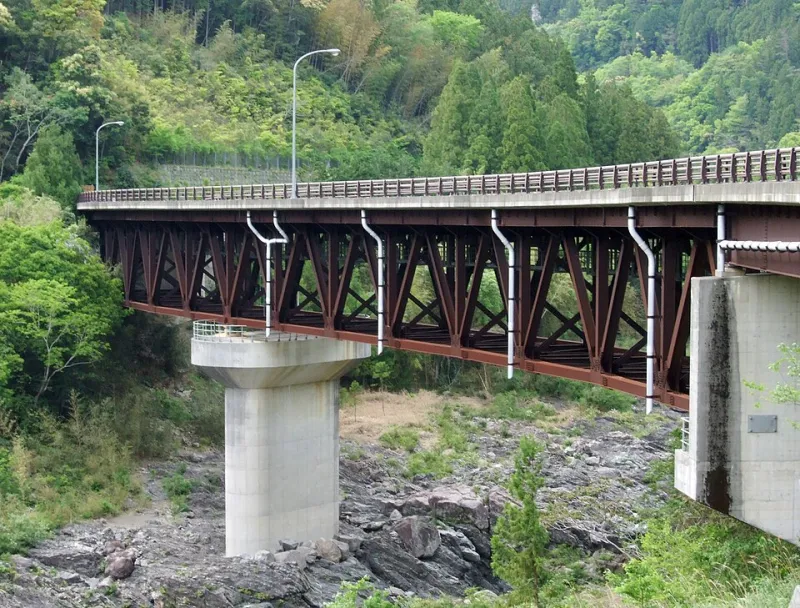
Photo: Pinqui, CC BY-SA 3.0, via Wikimedia Commons
Weathering steel is often specified as a low-maintenance answer to exposed steelwork: leave it bare, let it rust, and accept the colour. In the UK that shorthand needs qualification. The material can develop a stable, protective patina, but only where the surface cycles between wet and dry with reasonable regularity. British rain rarely arrives as an even wash. Prevailing south-westerly winds drive rain onto one elevation, sheltered returns stay damp, and run-off carries iron oxides onto adjacent surfaces. In 2026, with clients increasingly focused on whole-life cost, the difference between a controlled patina and a maintenance argument is decided at the detail stage, not on the day the steel is erected.
Start with Exposure, Not Aesthetics
Before a weathering steel specification is fixed, map the exposure. The grade should be confirmed against BS EN 10025-5, and the assumption that all weathering steels behave alike should be tested. Coastal sites introduce chloride, which can disrupt patina formation and increase run-off. Sheltered urban courtyards can trap pollution and moisture. A south-west elevation may be wetted frequently and dry quickly in wind; a north-facing return may stay damp for longer. These differences matter more than a colour swatch.
The practical question is not whether the steel will rust, but whether it will wet and dry evenly enough to form a coherent surface. Where an elevation is protected from rain but exposed to condensation, or where a deep recess holds water, the answer may be no. In those locations, a different finish or a drainage detail should be considered before fabrication begins.
Orientation and the Prevailing Wind
Weathering steel should be detailed so that all visible faces have a reasonable chance of drying. Avoid deep enclosed returns, undersides that collect water, and ledges that remain damp after rain. Where such features are unavoidable, treat them as a separate exposure category: provide drainage, increase ventilation, or accept that the patina may be slower and less uniform.
Orientation should be recorded on the fabrication drawings, not left to site interpretation. A panel that performs well on a wind-swept elevation may stain badly in a sheltered corner. The same applies to horizontal surfaces. Copings, cills and projecting heads should shed water rather than hold it.
Drainage, Drip Lines and the Geometry of Shedding
Water must leave the steel quickly and predictably. Horizontal ledges should be sloped, and the base of any weathering steel element should include a drip detail so that run-off clears the face below. A simple drip groove or folded edge is often more effective than a generous but level flashing.
Avoid capillary traps between plates, between steel and cladding, and at bearing seats. Welded details should not create shallow pools. Where water is expected to run off a large area, consider how the concentrated flow will affect the patina and the surfaces below. A narrow streak of iron oxide on paving is easier to manage than a broad wash across a render or stone facade.
Fasteners, Welds and Hidden Interfaces
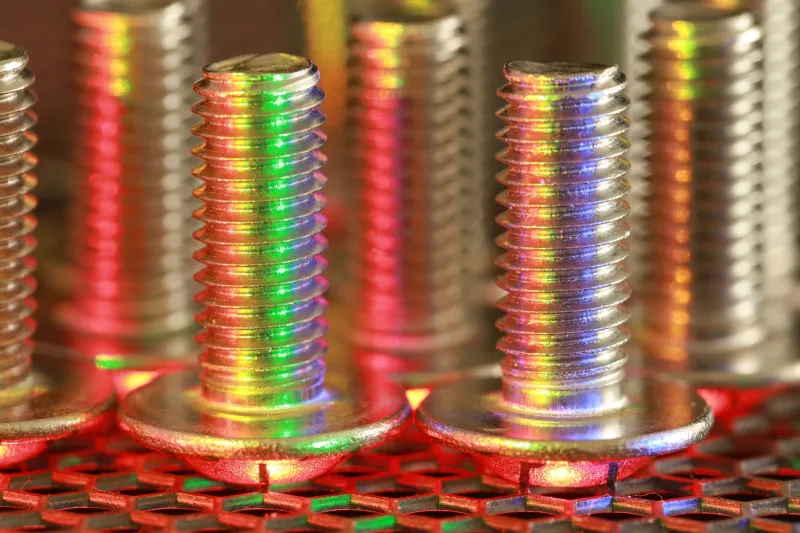
Fasteners are a common source of staining and premature corrosion. Specify a grade compatible with the weathering steel, and do not assume that galvanised bolts are neutral in a bare weathering steel assembly. Where stainless steel fasteners are used, A4 or 316 grades are generally more appropriate than lower-alloy alternatives, and isolation washers or sleeves may be needed to limit bimetallic effects. The detail should show the intended interface, not leave it to the fixings supplier.
Welds should use consumables that support a consistent patina. Slag, spatter and weld flux residues must be removed, and visible welds should be blended where the finish is exposed. A weld procedure that treats the visible weld as part of the architectural surface is more useful than one that considers only structural adequacy. Hidden interfaces should also be reviewed: where weathering steel passes through or bears onto other metals, isolate the contact and detail the drainage path.
Protect Adjacent Materials
Run-off staining is the most predictable complaint on weathering steel projects. The first wetting cycles can release iron-rich water, and this will mark porous surfaces, light-coloured render, stone, concrete and aluminium. The design should direct run-off away from such materials, and temporary protection should be planned for the construction period.
Coordination with other trades is essential. A drip line that discharges onto a recently completed paving surface is a defect waiting to be recorded. Where protection is removable, agree who removes it, when, and how the surface beneath will be inspected. Do not rely on a single site instruction to resolve a detail that should have been drawn.
The Mock-Up Is the Specification
A full-size mock-up should be fabricated before the main production run. It should use the same grade, the same fastener types, the same weld details and the same drainage geometry as the intended work. Where possible, it should be mounted in the proposed orientation and exposed to the same wind and rain path.
A short accelerated test can be useful for screening, but it is not a substitute for real exposure. Where the programme allows, a six- to twelve-month mock-up gives a more honest view of patina variation, run-off staining and water trapping. Record the appearance at agreed intervals and use the mock-up as the benchmark for acceptable variation. If the programme cannot wait, agree a documented first-wetting inspection and a clear acceptance standard before fabrication is released.
Handover: Agreeing What Finished Means
Weathering steel should not be handed over as a maintenance-free product. The patina is a process, not a factory finish. Early rain will produce orange-brown run-off, and the surface may remain uneven for some time. The handover pack should explain this, identify the drainage paths, and set out an inspection regime for the first two years and beyond.
Cleaning should be minimal and non-aggressive. Acidic or abrasive cleaners can disturb the patina. If staining on adjacent materials is unacceptable, the solution is usually a revised detail or a protective measure, not a promise of frequent cleaning. The client should understand that some colour variation is normal and that sheltered elevations may never match wind-swept faces.
A Detailing Checklist for 2026 Projects
- Confirm the grade and exposure category, including coastal or polluted environments.
- Mark prevailing wind and sheltered elevations on the drawings.
- Slope ledges and provide drip lines at the base of exposed elements.
- Avoid water traps, capillary gaps and undrained recesses.
- Specify compatible fasteners and isolate dissimilar metals.
- Treat visible welds as part of the finish and remove all residues.
- Direct run-off away from porous, light-coloured and metallic surfaces.
- Build and expose a mock-up before full fabrication.
- Agree handover expectations, inspection intervals and cleaning limits.
Weathering steel can be an appropriate and durable choice for UK structures, but it rewards detailing discipline. The aim is not to force an even colour from day one. It is to give the steel enough drainage, ventilation and compatible contact to form a patina that behaves predictably over the life of the asset.